Pest Control: Powerful Systems to Safeguard Your Home and Business
Pest Control: Effective Plans to Secure Your Living space and Enterprise
Beginning to Pest Control
Pest Control involves the oversight or management of life forms designated as pests – life forms that harmfully change people's activities or settings. In New Jersey, a place where varied ecosystems intersect with metropolitan and city progress, productive Pest Control is not solely a nonessential but a essential for sustaining healthy dwelling and professional environments. From the sprawling neighborhoods of Monmouth County to the tight-knit neighborhoods of Matawan, pest infestations can affect everybody, independent of how spotless or well-kept their dwelling may be.
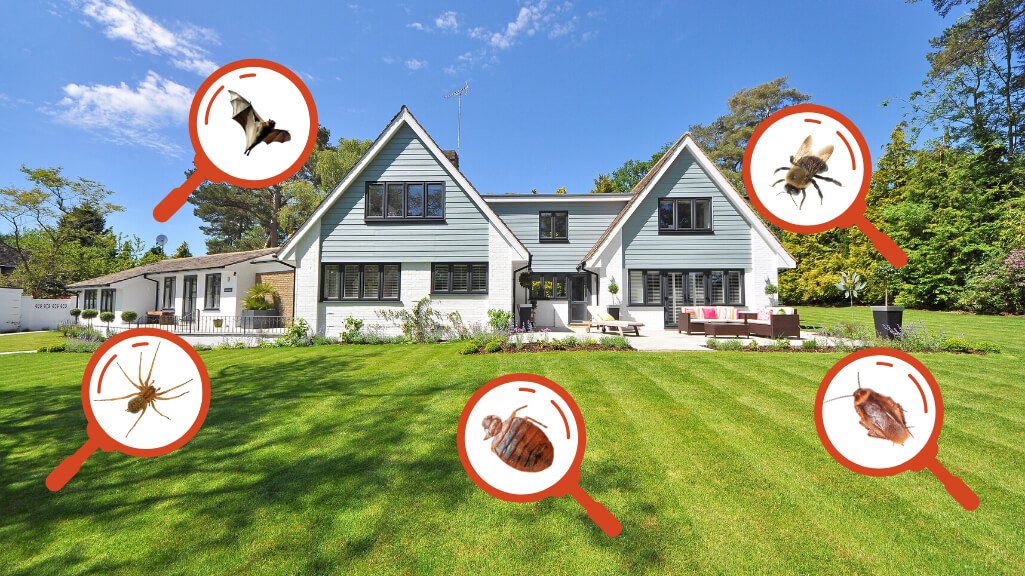
The criticality of implementing effective Pest Control techniques could not be exaggerated. For property owners, pests can deteriorate structural soundness, spoil food reserves, and create noteworthy health dangers. Businesses meet these same challenges, with the further unease of reputation impairment and possible deficit of clients if invasions are detected. Ordinary pests in New Jersey incorporate small mammals like rats and mice, diverse insects such as ants, cockroaches, and bed bugs, and the specifically detrimental termites that can quietly threaten a building's groundwork.
The Purpose Pest Control Is Essential
Health Dangers of Pest Control Methods
Multiple pests transmit and pass on diseases that can trouble individuals and pets. Vermin are proven transporters of hantavirus, salmonella, and leptospirosis. Cockroaches can initiate asthma occurrences and sensitized reactions, notably in kids. Ticks, plentiful in New Jersey's forested areas, are famous for disseminating Lyme disease, while mosquitoes can pass on West Nile virus and Eastern Equine Encephalitis. Trained Pest Control enables minimize these health perils by destroying the basis of these probable disease spreaders.
Structure Deterioration in Pest Control
The skeletal harm created by pests can be considerable and exorbitant. Termites alone trigger over $5 billion in structure harm every year throughout the United States, with New Jersey homes being particularly prone due to the state's weather. Small mammals can chew through electronic wiring, creating fire risks, while their incessant biting can damage insulation, pipes, and wooden framework pieces. Even ostensibly innocuous ants can damage timber structures if neglected unprocessed, especially carpenter ants which are common in Monmouth County.
Financial Results of Pest Control Services
Neglecting pest outbreaks can lead to important pecuniary results. What could commence as a minimal invasion demanding basic handling can fast escalate into a major difficulty necessitating comprehensive remediation. For establishments, particularly those in the food service or accommodation trades, pest invasions can lead to deficient health examinations, provisional closures, and persistent injury to image and shopper faith. Funding in regular Pest Control is not simply about immediate comfort—it's a continuing economic safety measure.
Pest Control: Standard Family and Company Pests
Vermin (Rats and Mice)
When it regards spotting rodent invasions in your New Jersey home, attentiveness is vital. You perhaps observe dung near food supplies, in cabinets, or under sinks. Bite marks on food enclosures, wooden materials, and power lines are telltale signs of their existence. At after dark, you may hear scratching clamors in dividers, overhead surfaces, or below floors as these evening creatures get dynamic. If you discover lairs formed from shredded paper, cloth, or dried plant stuff, that's a clear signal rodents have built themselves home. Fatty rub marks beside baseboards and dividers emerge as rodents employ the identical paths recurrently, while your pets may demonstrate odd behavior such as woofing or scratching at locations under equipment or furniture where rodents hide.
Rodents in New Jersey homes and firms create diverse hazards above mere inconvenience. They can contaminate food and cooking zones with microorganisms residing in their urination and excrement. Their perpetual need to chew can injure goods, particularly cables, which generates fire threats. In Matawan and encompassing areas, the Norway rat and house mouse are especially complicated, succeeding in both densely populated and suburban environments. Efficient Pest Control procedures are crucial to handle these destructive invaders.
Invertebrates (Ants, Cockroaches, Bed Bugs)
Bug incursions present themselves in various modes subject to the kind. Ant troubles develop into noticeable when you see perceptible ant lines going to food supplies, or when you discover little piles of dirt or wood splinters created by carpenter ants. Cockroach incursions often show themselves through dark droppings resembling coffee grounds or black pepper, a special damp odor that saturates infested spots, and the existence of egg casings in hidden corners. Bed bug issues show up as rust-colored dots on mattresses and belongings, shed skins near lounging spots, small blood discolorations on sheets, and uncomfortable red lumps on skin ordinarily aligned in a series or collection.
Invertebrates constitute the most various class of pests in New Jersey. Cockroaches can cause asthma and allergies while transmitting various infectious agents. Bed bugs, while not disease vectors, inflict considerable distress, sleep disruption, and sentimental distress. Certain ant breeds, like carpenter ants usual in Monmouth County's tree-covered regions, can generate architectural deterioration equivalent to termites over time. Trained Pest Control services can detect certain insect varieties and carry out targeted intervention strategies that confront the singular behaviors and weaknesses of each pest.
Termites
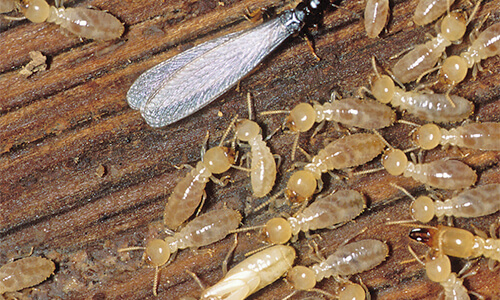
Finding termite movement initially demands understanding the nuanced markers of their presence. You might detect rejected wings near casements and access points after swarmers have detected a mate and set up a new population. Mud tubes on outdoor sides, lumber beams, or in crawl voids work as protected highways for these detrimental bugs. Wood that sounds unfilled when struck reveals termites have been gorging from inside. Access points and apertures that quickly stick may demonstrate twisting from termite destruction, while cracked or swelling paint akin to water damage often conceals termite movement under. Spotting frass—termite waste comparable to minuscule wood-colored particles—offers another confirmation of their undesired attendance.
Termites create perhaps the most important constructional hazard across all usual pests. In New Jersey, the Eastern subterranean termite is pervasive and particularly devastating. These arthropods can linger unseen for eras while creating extensive damage to wood structural constituents. Homes in Matawan and all over Monmouth County, especially older homes, are exposed to termite issues. The standard outlay of term pest control.
Pest Control Protection Considerations
Safe Application of Chemicals and Products in Pest Control
While chemicals become essential in your pest control method, prioritizing protection demands consideration to multiple vital practices that protect people, animals, and the ecosystem. Consistently examine and follow product instructions exactly, as these binding instructions show comprehensive evaluation and regulatory evaluation intended to decrease risks. Apply the minimum effective amount of chemical to attain control while decreasing excess substance incorporation into your residential space. Apply chemicals only in locations stated on the product instructions, preventing unauthorized applications that may cause unforeseen dangers or decrease efficacy. Wear correct protective gear as designated by product companies to stop individual interaction during application. House substances in their factory bottles with directions undamaged to retain entry to protection information and avoid confusion. Maintain thorough documentation of all treatments, writing down products employed, mixing ratios, locations applied to, and schedules of application for subsequent consultation. Allow proper curing and air circulation before reoccupying treated spaces, specifically crucial in New Jersey's climate where humidity can influence drying durations. Examine less-toxic alternatives when viable, as improvements in pest control have developed many lower-toxicity alternatives that keep performance while decreasing possible hazards.
Safeguarding Animals and Young ones During Pest Control Treatments
Extra precautions turn vital when applying pest control measures in households with at-risk family members. Relocate pets during application and until surfaces are dry to avoid direct contact with wet products or vapors that could create harmful responses. Shield or remove pet food, drinking dishes, and toys before service to stop exposure that could cause unintentional consumption. Keep children's items apart from service zones, particularly items that young kids might place in their lips. Clean and sanitize food cooking areas after application, even if they weren't immediately treated, to remove any remains that might have gathered during application. Keep kids apart from treated spaces for the suggested duration, extending this duration for mobile toddlers who have more immediate contact with floors and low areas. Think about animal-friendly and child-safe substance choices when accessible, as many current products target particular pest anatomy while minimizing animal toxicity. Most significantly, advise qualified applicators about the presence of animals, young ones, or pregnant home individuals before they create treatment approaches, allowing them to adapt methods and chemical choices accordingly.
Legal Standards and Conformity with Pest Control
Pest control in New Jersey operates within a official structure designed to protect general wellness and the ecosystem while maintaining successful pest control. The New Jersey Department of Environmental Protection oversees pest elimination procedures, demanding expert pest management firms to fulfill defined specifications. Firms must use licensed technicians who have completed government tests showing proficiency in pest science, treatment techniques, and protection standards. These businesses must preserve proper protection coverage protecting both their technicians and their clients from possible injury or harm associated with pest control activities. Stringent rules oversee chemical warehousing, shipping, and removal to prevent natural pollution and unpermitted availability. Technicians must give Safety Data Sheets upon request, detailing the characteristics and dangers of substances used in services. Notice guidelines pertain for specific uses, specifically in multi-unit dwellings or commercial locations with multiple tenants. Detailed service logs must be upheld, creating an inspection record of pest management operations. Moreover, only chemicals registered for application in New Jersey may be legally applied, making certain that regional environmental circumstances and habitats have been reviewed in the licensing process. For business properties in Matawan and throughout Monmouth County, extra regulations may pertain based on the field, especially for dining business, healthcare, and childcare facilities where pest elimination meets with other general health considerations.
Eco-Friendly Pest Control Choices
Unified Pest Control (IPM) Approach
Unified Pest Management constitutes the premium measure in modern pest control, centering on long-term prevention through a mixture of techniques that minimize environmental impact while enhancing success. The IPM system initiates with thorough examination and surveillance to recognize pest infestation precisely, setting up initial details about kinds occurring and number sizes. This produces correct determination of pest kinds, confirming control attempts address specific behaviors and susceptibilities rather than employing general procedures. Professionals create threshold levels that necessitate response, acknowledging that the mere existence of a limited insects does not automatically call for intervention if numbers remain less than harmful numbers. When action becomes essential, IPM applies various management strategies in coordination, usually commencing with safest strategies and progressing only when required. Across the method, practitioners examine effectiveness and modify methods as required, creating a responsive system responsive to varying situations. Most significantly, IPM stresses prevention over treatment, tackling construction and environmental aspects that encourage pest populations rather than only eradicating current creatures. Many pest control firms in New Jersey offer IPM-based programs that correspond with the area's drive toward minimal-impact pest treatment methods, particularly in vulnerable environments like schools, medical institutions, and food preparation operations.
Chemical-Free Management Strategies
Successful pest control often combines non-chemical methods that can solve or lower pest issues without adding pesticides into the environment. Tangible barriers such as filters, entry seals, and closing prevent pest entry totally, tackling the concern at its root. Manual systems like snares and blocking equipment take away existing creatures while blocking fresh infestations. Living approaches including beneficial bugs and bacteria bring natural predators that attack certain pests while keeping advantageous life forms undamaged. Environmental techniques modify the conditions to discourage creatures, such as modifying water patterns to lower dampness that brings particular bugs. Living space adjustment decreases harborage and nutrition options, rendering locations less attractive to problematic occupants. For specific insects like bed bugs, heat processes supply highly efficient elimination without synthetic residues by raising thermal levels beyond the thermal lethal point for all life periods of the specific pest. Similarly, freezing procedures for kept item creatures like cereal bugs or pantry insects can remove invasions in food items without harmful contamination. These approaches demonstrate specifically important in New Jersey's different settings, where nearness to aquatic bodies, safeguarded wild areas, and heavy population hubs forms numerous scenarios where synthetic decrease grows desirable or necessary.
Green Pest Control Control Solutions
The pest control industry maintains to develop toward more environmentally-friendly approaches that keep effectiveness while reducing surrounding influence. Natural chemicals extracted from organic essences like chrysanthemum extract, neem, and natural essences provide specific management with limited persistence in the environment. Organic pesticides having organisms, fungi, or pathogens that target certain pest insects provide precision that typical general chemicals can't match. Growth modifiers that stop pest breeding by blocking with developmental stages offer lasting quantity reduction without direct harmful effects on adult creatures. Scent devices that track or interrupt pest reproduction assist determine when action turns required and can prevent breeding in particular kinds. The business increasingly embraces safer chemicals with minimal ecological footprint, transitioning away from traditional chemistries with broader influences on non-target organisms. Targeted treatment methods that lower complete substance usage apply procedures specifically where needed rather than broadcasting substances across large areas. Green certification systems for pest control organizations create guidelines for ecologically favorable treatment and provide consumers with clear labeling of providers dedicated to green approaches. In environmentally critical regions of New Jersey, featuring sections of Monmouth County with nearness to water sources, these green techniques are especially useful for protecting both personal wellbeing and wild ecosystems while yet offering successful pest treatment.
Finding a Local Pest Control Service Provider in New Jersey
Capitol Exterminating System
272 NJ-34
Matawan, NJ 07747
(732) 441-1900
Often Posed Queries (FAQs) about Pest Control
How regularly should pest control be done?
For most New Jersey properties, four times yearly pest control supplies proper protection against periodic pest challenges. This frequency matches with the area's separate seasons, each generating separate pest difficulties that need precautionary focus. Early season services commonly deal with developing ant populations and surviving insects growing mobile. Summertime treatments focus on mosquitoes, ticks, and different winged bugs that thrive in heated climate. Autumn applications set up homes for small mammals and hibernating creatures searching for harborage as climate drop. Cold season procedures maintain safeguarding against interior insects while handling small mammal activity at its peak. Nonetheless, this schedule may rise for buildings with specific risk aspects or continuing problems that require greater thorough handling. Homes beside tree-covered areas in Monmouth County may profit from supplementary tick and mosquito control procedures across maximum cycles. Properties with history of particular pest troubles regularly call for specific additional applications beyond the normal four times yearly timing. Commercial facilities, particularly meal industry businesses in locations like Matawan, commonly require regular care to preserve adherence with safety regulations and prevent issues that could damage reputation and business operations.
Is professional pest control harmless for pets?
When performed appropriately, professional pest control can be protected for companions through thoughtful product choice and application methods that limit interaction. Current focused usage approaches and lower-risk substances have substantially improved wellness features against previous pest treatment approaches. Recent services commonly use products specifically engineered to have reduced danger to pets while keeping productive against designated insects with separate biologies. Qualified applicators get preparation in usage methods that put products in zones companions can't enter, such as interior spaces, cracks and gaps, or back of appliances. Nonetheless, animals should be taken away while performing procedure and until all treatments have set entirely, observing certain delay intervals proposed by the chemical producer and professional. Fish systems should be covered and ventilation pumps Capitol Exterminating System disabled throughout treatment to prevent contamination from airborne particles. Pet possessions featuring sleeping areas, toys, and nutrition equipment should be moved or protected during treatment. Discuss any questions with your pest control company, who can recommend correct waiting intervals depending on the particular treatments applied and change techniques for residences with notably delicate pets like flying animals or reptiles that may have distinct physiological vulnerabilities than felines and canines.
What are the evidence of a significant pest invasion?
Apart from visible creatures directly, multiple caution signals suggest potentially severe issues demanding urgent pest control treatment. Odd scents frequently arise with big issues – musty, oily scents may show small mammals, while sweet, distinctive aromas periodically come with German insect communities. Mysterious physical damage like sagging surfaces, blistering paint, or breaking wood may indicate wood-destroying insect infestation or carpenter ant colonies ruining construction elements. Odd disturbances within partitions or attics, specifically at dark, regularly indicate small mammal behavior as these dark-active organisms become energetic in unseen places. Abundant powder looking like minute sawdust beside wooden components may truly be excrement or feces from timber-damaging insects. Some households encounter unknown medical troubles like breathing troubles or scratching that go away when away from house, potentially indicating bug invasions impacting interior environmental purity. In New Jersey properties, specific attention should be paid to underground and crawlspace locations where moisture concerns can encourage pest groups, notably in older residences throughout Monmouth County where support openings and deteriorating cement supply numerous penetration spots. Locating multiple lifeless creatures of the similar kind indicates a greater population in the area, while residue marks along baseboards indicate established small mammal pathways with regular activity.
Can I stop creatures without pest control chemicals?
Absolutely, many creatures can be avoided through proper hygiene, exclusion, and habitat change without using synthetic treatments. The foundation of alternative pest control begins with thorough prevention procedures – filling openings, spaces, and holes that enable creatures to access buildings in the initial spot. Placing door strips, repairing broken barriers, and filling mechanical access points eliminates usual penetration spots. Getting rid of sustenance options through proper nutrition preservation in sealed packages, fast elimination of drops and crumbs, and routine trash collection substantially minimizes lures that draw creatures indoors. Reducing dampness by mending leaking pipes, upgrading air movement in damp spaces, and addressing runoff problems gets rid of the fluid origins many organisms demand. Preserving a space area encircling structures by reducing vegetation, eliminating organic material, and storing timber off the ground and away from structures lowers shelter areas and entry points. Utilizing tangible obstacles like copper mesh or steel material to stop more significant gaps offers permanent blocking for rodents and large mice. Frequent maintenance that involves suction cleaning cracks and crevices removes pest offspring and food matter that maintain pest development. For current issues, however, some form of treatment material may be needed to solve developed issues, though numerous lower-risk alternatives are obtainable featuring natural silica dust, boron powder, and insecticidal detergents that offer minimized threat relative to traditional products.
What should I look forward to while having expert pest control application?
A qualified pest control application typically begins with a detailed evaluation to recognize pest types, access locations, and conducive situations leading to the issue. The professional should take care checking both indoor and outdoor areas, paying particular focus to food preparation areas, bathing facilities, underground areas, and border structural supports where pest presence frequently accumulates. Upon completing this inspection, the technician should clarify their findings in depth and suggest a application plan tailored to your individual circumstances, addressing both the intended insects and the techniques suggested for treating them. You may receive preparation instructions before service, likely involving shifting objects, emptying certain areas, or securing pets. Throughout the service, the specialist will employ proper materials to focused locations depending on the pest species found, concentrating on fissures, openings, and pest shelter locations rather than broadcasting services across full surfaces. They may place surveillance systems like insect catches or food stations that aid observe advancement and offer persistent safeguarding. After concluding procedures, a specialist should explain any subsequent care instructions such as air circulation requirements, return intervals, or locations to clean. Before departing, they should plan additional treatments if needed for especially stubborn pests like sleeping pests or German cockroaches that typically call for several applications for total destruction. Across this system, technicians should encourage inquiries and give understandable information about the chemicals and methods applied, displaying their education and commitment to both effectiveness and safety.
Effective pest control is an crucial component of preserving clean, safe home and commercial areas in New Jersey. From the moist summers that bring mosquitoes and blood-sucking insects to the frigid months when small mammals pursue shelter within, pest problems stay a ongoing worry for homeowners and enterprises in Monmouth County and Matawan. By grasping common insects, implementing precautionary steps, and recognizing when to pursue professional support, home holders can safeguard their assets and the safety of residents.
Taking a forward-thinking strategy to pest control is constantly more efficient and economical than handling to developed problems. Frequent evaluations, appropriate upkeep, and tackling minor issues before they grow can avoid the significant costs and disturbances associated with major pest concerns. When specialist support becomes essential, selecting a reputable, authorized pest control provider who utilizes unified pest control methods guarantees productive solutions with small ecological influence.